





A food processing plant or food processing factory is a facility that deals in producing food-based products. It is usually a commercial establishment that is into manufacturing and distribution of food fit for human consumption. It is one of the most important sectors in the market. So, there are a lot of considerations before designing a food processing plant.
Quite naturally, the layout is the number one factor when designing a food plant. It requires you to follow minute details for the utmost efficiency, which includes keeping in mind the efficiency of the system, hygiene, and ease of processing the food. Hence, based on all these parameters, there are multiple layout types on which a food plant is designed. This blog highlights some of these layouts:
Process Layout
In the process layout format, the entire floor plan is designed to target the core processes that are followed by the food plant. The equipment and machinery are arranged in a manner that every process is carried out efficiently and in a correct sequence.
Advantages:
- The initial investment is comparatively low
- Machinery is used to an optimum level
Product Layout
As the name suggests, the target is completely shifted towards the final product in the product layout format. In this format, the machinery and equipment are distributed in a particular sequence whereby the operations are focused on manufacturing just one type of product quickly and in huge batches.
Advantages:
- Better for a unitary and standardized product
- Constant workflow with machines targeting a single product
- Low efforts toward material handling
Fixed Position Layout
In the fixed position layout format, the main components including the heavy machinery and other essential equipment stay fixed at a particular position. The movable components such as the lighter equipment and machinery, the manpower, tools, and other parts are moved according to the requirements of the manufacturing process.
Advantages:
- This layout gives the flexibility to change product designs
- Scalable option wherein production can be increased or decreased on requirement
Combined Layout
As the name suggests, the combined layout format is a combination of the essential features of both process and product layout formats.
Advantages:
- Flexible option since both layouts are accommodated
- Extremely economical solution
- Provides more room for scalability
Looking to design your food plant? Look no further than Stendel + Reich food plant architects as they are known for the best and efficient designs.

How can you enable multi-language subtitles while watching online?
Multi-language subtitle support varies dramatically across streaming platforms and devices. Some services offer extensive subtitle options while others provide minimal...
Professional Pool Shop: Quality Service in Ballina

Expert pool shop in ballina makes a significant difference in project outcomes and overall satisfaction. Professional service providers bring specialized knowledge, proven methods, and dedication to excellence.Expertise develops through rigorous training programs and practical application in diverse situations. Professional certifications validate technical knowledge and adherence to industry standards. Experienced providers bring refined skills developed over years of successfully completing varied projects. Their qualifications ensure they can handle both routine and complex challenges effectively.Licensed professionals undergo extensive training and certification demonstrating their competency in the field. Years of hands-on experience provide...
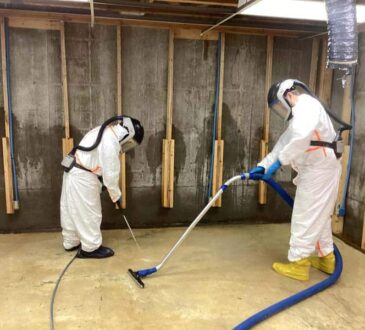
Emergency Water Damage Cleanup in Arlington: Step-by-Step Process
When water shows up where it does not belong, things get stressful fast. A burst pipe at midnight. Heavy rain...
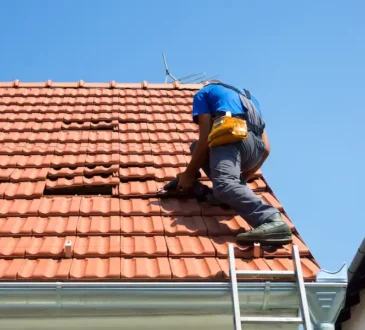
How Fort Worth Businesses Can Reduce Downtime During Roof Replacement


For many business owners, the idea of tearing off and replacing a roof raises a significant concern. How much will...