






Let us be real. I have had that sinking feeling, literally, when water levels drop overnight for apparently no good reason. You check almost everything. The pump, the filter, and the frogs look innocent enough. Then it hits you: the liner has gone bad.
Building a durable backyard pond starts with choosing the right liner. Get this wrong, and you will be kicking yourself next spring. Or worse, shovelling mud in the rain. So, what actually works?
First Things First – When Should You Give Up Patching?
Sometimes patching is fine. But other times, you need full pond relining. That is where the experts from That Pond Guy come in handy. Honestly, they have seen it all. Torn rubber, UV damage, and roots punching through like little green ninjas. Their team does not just slap on a new liner; they check the underlay, the edges, the whole messy business. If you are in the UK and your pond has become a swampy headache, give it a look. They will probably not judge your failed DIY attempts.
The Main Contenders: Which Liner Will Not Let You Down?
Here is where it gets practical. Based on advice from folks who repair ponds for a living (and the three websites I dug through), these are your best bets.
1. EPDM Rubber Liners
- Super flexible. Handles freezing temps without cracking.
- Lasts 20-30 years if installed right.
- Heavy. Like, wrestling-a-mattress heavy. Get a friend.
2. RPE (Reinforced Polyethylene)
- Lighter than EPDM. Tougher against punctures.
- Good for rocky soil or clumsy gardeners like me.
- Less stretchy, so measure twice.
3. HDPE Liners
- Almost indestructible. Used in big commercial ponds.
- Stiff and crinkly. Feels like a plastic tarp on steroids.
- Overkill for tiny goldfish bowls, but awesome for large wildlife ponds.
4. PVC Liners (Cheaper but Riskier)
- Easy to fold and cut. Low upfront cost.
- But UV light eats them alive. Expect cracks in 5-7 years.
- Honestly, I would skip it unless you love repeating work.
Little Imperfections That Actually Matter
Please do not just buy any liner. I learned this the hard way. A few extra pounds upfront save you from crying into a bucket of algae later.
- Thickness matters. 0.45mm for small decorative ponds. Go 0.75mm or higher for koi or heavy use.
- Underlay is not optional. Old carpet, sand, or proper underlay, use something. Sharp stones are killers of the liver.
- Fold, do not cut. Leave extra material along the edges. When the ground hardens, and the sun won’t quit, you’ll be glad you went the extra mile.
Last Thought
You do not need a perfect install on the first try. Nobody does. My first liner had wrinkles like a Shar Pei puppy. Still held water for seven years. So, breathe easy. Take your time. And if it all goes sideways, call That Pond Guy before you do something drastic with duct tape. A durable pond is not about the most expensive liner. It is about the right liner for your backyard chaos. Pick one. Patch your mistakes. And enjoy the splashes.


Complete Guide to Identifying Fake ICA Approval Letters and Consultants

IntroductionApplying for Singapore Permanent Residency is certainly an important achievement for foreigners who have built their careers and lives in...
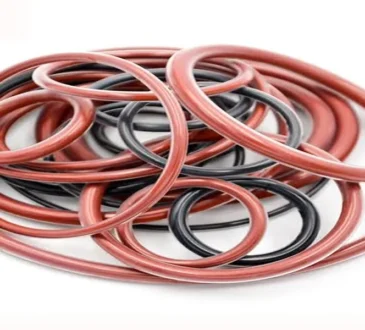
PTFE Encapsulated O Rings, Low Temperature O Rings and Cartridge Mechanical Seals: A Guide


Sealing technology in chemical processing, pharmaceutical manufacturing, food and beverage production, and precision engineering applications has moved far beyond the...

Reading Index Structure: Advanced Techniques for Trading Major Equity Benchmarks
Major equity indices can appear straightforward on the surface. A benchmark rises when its component stocks collectively strengthen and falls...

What Nonprofit Boards Should Look For In An Executive Director
A nonprofit organization's performance and direction are largely determined by its leadership. The executive director is usually in charge of...