





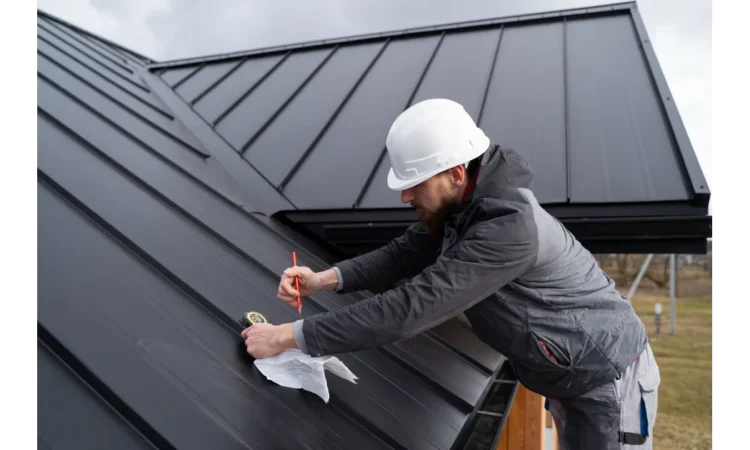

If you own a home in Southlake, you know North Texas weather can be rough on roofs. Regular Southlake roof inspections are one of the easiest ways to spot small problems before they become big, expensive repairs. This short guide explains when to get an inspection, what an inspector looks for, and what to do if a storm causes urgent damage.
Why inspections matter
Roofs take a beating from sun, wind, hail and heavy rain. In Texas, severe storms and hail are common enough that many homes see noticeable roof wear after a single season. A professional inspection helps find missing or damaged shingles, worn flashing, clogged gutters, and areas where water is getting in, issues that, if left unchecked, can lead to leaks, mould, and structural problems. Annual or twice-yearly checks also keep warranty requirements on track for many shingle manufacturers.
When to schedule an inspection
A good rule of thumb is to have a full inspection at least once a year and again after any major storm. For roofs older than 10 years, consider inspections twice a year (spring and fall) because older materials show wear faster. Also, arrange an inspection after hail, high winds, or if you notice stains on ceilings, loose shingles in gutters, or missing granules, all signs that need quick attention.
What Inspectors Look For
A good roof inspection in Southlake doesn’t take all day, but it covers all the important spots. Here’s what a pro usually checks:
- Shingles: Are any cracked, curling, loose, or losing too many granules?
- Flashing and seals: The metal and sealant around chimneys, vents, skylights, and pipes often fail first, so inspectors look closely for gaps or rust.
- Gutters and drainage: Proper water flow is critical; clogged or sagging gutters can push water back onto the roof.
- Roof structure: A sagging ridge, soft decking, or uneven roofline may point to hidden moisture or rot underneath.
- Inside the home: Stains on ceilings, damp insulation, or light peeking through the attic are signs that water is getting in somewhere.
A quick look at these areas can reveal most issues long before they turn into leaks or expensive repairs.
DIY vs professional inspection
You can do a quick ground-level look yourself, scan for missing shingles, check gutters for granules, and look for sagging, but don’t climb onto steep roofs or try detailed repairs unless you’re trained. A licensed inspector has the experience to spot subtle issues (like weak flashing or compromised underlayment) and will document findings so you can plan repairs or file an insurance claim if needed.
Cost and value
Costs vary by region and roof size, but think of inspections as inexpensive insurance: they cost far less than an emergency roof replacement or the water damage that follows a long leak. Many local roofing pros offer inspection bundles or will credit the inspection fee toward repair work if you hire them.
If the inspector finds damage: next steps
Minor issues, loose shingles, small flashing failures, or a couple of cracked tiles can usually be patched quickly. If more widespread or structural problems are present, a phased repair or replacement plan may be recommended. Always get a written estimate and a clear timeline before work starts.
When to call for emergency help
If you have an active leak, large holes, or visible structural failure after a storm, call for emergency services right away. A temporary tarp or patch can keep water out until a full repair is possible. If you need urgent assistance in Southlake, search specifically for local emergency roof services. For example, Southlake emergency roof repairs, and choose a licensed, insured contractor who can respond quickly. Tarping correctly and safely is important; if you’re unsure, let the pros handle it.
Quick Checklist for Homeowners
- Get a professional inspection at least once a year, and always schedule one after a major storm.
- Take a walk around your property after severe weather to look for missing shingles, dents, or any debris that may have hit the roof.
- Check your gutters for shingle granules. A heavy buildup usually means your shingles are wearing down and may need attention.
- Look in the attic occasionally. Make sure vents are clear, insulation is dry, and no light is peeking through the roof. These small checks can reveal early signs of leaks.
- Keep all inspection reports and repair receipts. They’re helpful for insurance claims, warranties, and even when selling your home.
Conclusion
A little attention goes a long way. Regular Southlake roof inspections help you protect your home, avoid surprise costs, and extend the life of your roof. When storms strike, quick action and the right contractor can prevent a small problem from becoming a major headache. If you want, I can turn this into a printable checklist or a short social-media post to share with neighbours.

Professional Pool Shop: Quality Service in Ballina
Expert pool shop in ballina makes a significant difference in project outcomes and overall satisfaction. Professional service providers bring specialized knowledge, proven methods, and dedication to excellence.Expertise develops through rigorous training programs and practical application in diverse situations. Professional certifications validate technical knowledge and adherence to industry standards. Experienced providers bring refined skills developed over years of successfully completing varied projects. Their qualifications ensure they can handle both routine and complex challenges effectively.Licensed professionals undergo extensive training and certification demonstrating their competency in the field. Years of hands-on experience provide...

API Data Extraction Patterns: Efficiently Handling Pagination and Rate Limits from External Services
Introduction Modern data-driven applications rely heavily on external APIs to collect information from third-party platforms such as social media networks,...

Minimalist Digital Design Styles Improving Signage Impact Through Visual Balance
People connect faster with messages that feel calm, simple, and thoughtful. Visual choices shape how information feels before words are...

Need Temporary Site Equipment Fast? We Deliver Clean, Compliant Gear On Time.
When Time Matters, Your Site Still Needs to Be Compliant Every job runs on deadlines—handover dates, subcontractor bookings, permits, and...