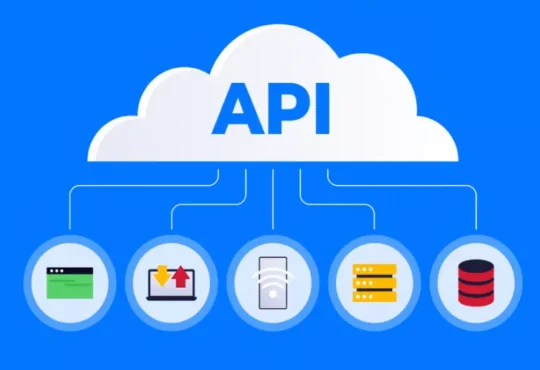







In today’s digital age, businesses operate in a highly connected and dynamic environment where seamless communication between various software systems and applications is crucial. The backbone of this connectivity lies in Application Programming Interfaces (APIs). APIs have become the linchpin in enabling digital ecosystems that empower businesses to innovate, grow, and stay competitive in a rapidly evolving market.
What is an API?
An API, or Application Programming Interface, is a set of rules and protocols that allow one software application to interact with another. Think of it as a bridge that enables different software systems to exchange data and functionality in a standardized way. APIs enable developers to leverage existing software components, services, and platforms to build new applications, integrate with third-party systems, and enhance the overall functionality of their products.
The Importance of APIs in Business Ecosystems
APIs play a pivotal role in creating interconnected digital ecosystems that drive efficiency, scalability, and innovation for businesses. Here are some of the key benefits of using APIs to facilitate digital ecosystems:
Enhanced Connectivity
APIs enable seamless communication between different software systems, platforms, and devices. This connectivity allows businesses to integrate their internal systems with external partners, suppliers, and customers, leading to more streamlined workflows and improved customer experiences.
Faster Time to Market
Businesses need to innovate quickly to keep up with market demands. APIs allow companies to leverage existing services and technologies, reducing the time and effort required to develop new features or products. By integrating with third-party APIs, businesses can accelerate their product development cycles and launch new solutions faster than ever before.
Scalability and Flexibility
As businesses grow, their technology needs evolve. APIs offer the flexibility to scale operations by integrating with new software solutions without disrupting existing processes. This scalability is especially valuable for companies that need to expand their digital infrastructure to accommodate increasing customer demands or enter new markets.
Cost-Effective Solutions
Developing software solutions from scratch can be time-consuming and costly. APIs provide a cost-effective way for businesses to access advanced functionalities and services without the need for extensive development. By leveraging APIs, companies can reduce development costs, minimize maintenance efforts, and focus on core business activities.
Data-Driven Decision Making
APIs facilitate the exchange of data between different systems in real-time, enabling businesses to gather insights from various sources. This data-driven approach helps companies make informed decisions based on accurate and up-to-date information, ultimately leading to better business strategies and outcomes.
APIs and Digital Transformation
Digital transformation is a key focus for businesses looking to stay competitive in the modern landscape. APIs play a critical role in this transformation by enabling companies to build innovative solutions, streamline operations, and deliver exceptional customer experiences. Here are a few ways APIs contribute to digital transformation:
Integration with Emerging Technologies: APIs make it easier for businesses to integrate with emerging technologies like Artificial Intelligence (AI), Machine Learning (ML), and the Internet of Things (IoT). By connecting with these technologies, companies can enhance their products and services, automate processes, and deliver personalized experiences to their customers.
Building Ecosystems of Partners and Developers: APIs allow businesses to create ecosystems where partners, developers, and third-party vendors can collaborate to build new products and services. These ecosystems drive innovation and open up new revenue streams by enabling companies to extend their reach and offer value-added solutions.
Creating Omnichannel Experiences: In today’s digital world, customers expect consistent and personalized experiences across all touchpoints. APIs enable businesses to create seamless omnichannel experiences by integrating customer data and interactions from various channels, including web, mobile, social media, and in-store platforms.
Real-World Examples of API-Driven Ecosystems
Several industry leaders have successfully harnessed the power of APIs to build robust digital ecosystems that drive their business growth:
Salesforce: Salesforce’s API ecosystem allows businesses to integrate their Customer Relationship Management (CRM) system with various third-party applications. This integration enables companies to manage their customer data more efficiently and create personalized marketing strategies.
Google Maps: Google Maps APIs enable developers to integrate mapping and location-based services into their applications. This capability is widely used in industries like transportation, travel, logistics, and e-commerce to enhance user experiences.
Stripe: Stripe’s payment APIs have revolutionized online transactions by providing businesses with the tools they need to accept and process payments securely. Stripe’s APIs have been instrumental in powering e-commerce platforms, SaaS applications, and subscription-based services.
Introducing Cobalt: Revolutionizing API Integration
In the fast-paced world of technology, businesses need to stay agile and efficient in how they handle integrations. This is where Cobalt comes into play. Cobalt is a co-pilot for engineering teams to build and manage native product integrations for all of their customers from a single SDK.
Cobalt enables teams to launch integrations and new workflows in days rather than months, eliminating the need for boilerplate code, token management, user configurations, and API maintenance. With Cobalt, businesses can focus on their core competencies while ensuring that their integrations are seamless, scalable, and up-to-date.
Currently, Cobalt abstracts more than 120 API integrations to handle both simple and complex use cases across various applications, including CRM, ticketing, ERP, sales and marketing, HR, communication, and Customer Data Platforms (CDPs). This extensive support makes Cobalt an indispensable tool for companies looking to build comprehensive digital ecosystems with minimal development effort.

API Data Extraction Patterns: Efficiently Handling Pagination and Rate Limits from External Services
Introduction Modern data-driven applications rely heavily on external APIs to collect information from third-party platforms such as social media networks,...

Minimalist Digital Design Styles Improving Signage Impact Through Visual Balance
People connect faster with messages that feel calm, simple, and thoughtful. Visual choices shape how information feels before words are...

Need Temporary Site Equipment Fast? We Deliver Clean, Compliant Gear On Time.
When Time Matters, Your Site Still Needs to Be Compliant Every job runs on deadlines—handover dates, subcontractor bookings, permits, and...

Southlake Roof Inspections: A Simple Guide to Keep Your Roof Safe and Lasting
If you own a home in Southlake, you know North Texas weather can be rough on roofs. Regular Southlake roof...