





Following Major Market Events Through Organized Financial Release Tracking Methods

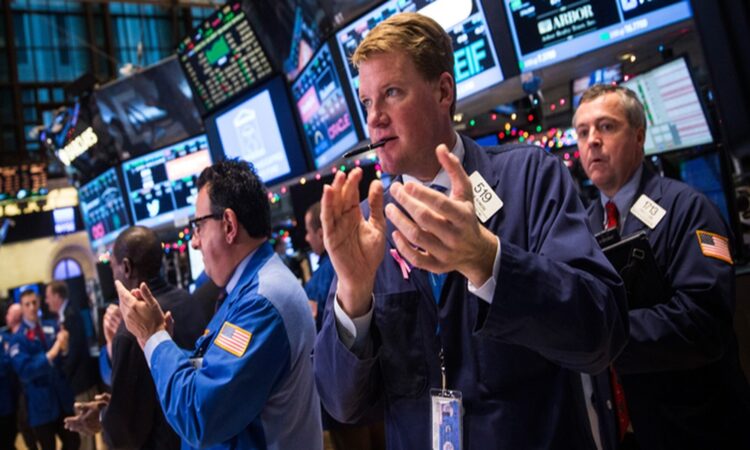
The markets can be very calm for hours and then become very active once one economic release comes out. The central bank’s statement, inflation report, employment number or interest rate decision can move prices drastically in minutes. This is why traders and investors are closely monitoring scheduled economic releases all week.
At first, economic calendars look overloaded with information. There are numbers, country flags, event rankings, forecasts, previous data, revised figures. Beginners often open the calendar and immediately feel lost.
But after spending time with it, the structure starts making more sense.
Understanding economic calendar today (ปฏิทินเศรษฐกิจ วันนี้) activity usually becomes easier when traders stop viewing economic releases as random news events and start treating them like scheduled moments that influence market behavior in very specific ways.
Why economic announcements move financial markets quickly
When major numbers surprise the market, price movement can become aggressive very fast.
Some common releases that attract strong attention include:
- Inflation reports
- Interest rate decisions
- Employment numbers
- GDP updates
- Manufacturing data
- Retail sales figures
And honestly, not every report creates the same level of volatility. Some announcements barely move the market while others completely change short term direction within seconds. That unpredictability catches many beginners off guard.
Understanding event importance levels before trading
Economic calendars normally rank events based on expected market impact. High importance events often create larger volatility while lower ranked releases may produce smaller reactions. Still, low ranked events occasionally trigger unexpected movement too.
That is why experienced traders usually pay attention to overall market conditions instead of focusing only on event rankings mechanically.
- Current market trend direction
- Existing volatility conditions
- Nearby technical support and resistance zones
- Recent central bank communication
- Market sentiment before the announcement
Some traders avoid entering positions directly before major releases because conditions become too unpredictable. Others actively trade volatility around the announcement itself. Both approaches exist for a reason.
Timing preparation before scheduled market releases
Preparation matters heavily during active news sessions because market conditions can change extremely fast once economic numbers appear.
Some traders reduce position size before important announcements. Others close trades completely and wait until volatility settles afterward.
A few common preparation habits include:
- Reviewing the release schedule earlier in the day
- Monitoring forecast expectations
- Checking nearby technical levels
- Avoiding emotional last minute trades
- Watching spread expansion during volatility
And honestly, beginners sometimes underestimate how quickly conditions can shift after a major release. Price movement that normally takes hours can happen in seconds during high impact sessions.
Volatility conditions during high impact sessions
High impact economic releases often create fast movement, wider spreads, sudden reversals, and increased trading activity across multiple markets simultaneously. That environment feels exciting at first. Then stressful very quickly.
Some traders enjoy volatility because it creates short term opportunity. Others prefer calmer conditions because rapid movement becomes difficult to manage emotionally.
A few things commonly happen during volatile releases:
- Candles expand rapidly
- Price reversals appear suddenly
- Liquidity conditions change temporarily
- Technical levels break aggressively
- Market direction shifts multiple times
And sometimes the first reaction after a release completely reverses later once traders fully process the information.
That happens more than beginners expect honestly.
Trading mistakes around news events
News volatility creates emotional pressure very quickly, especially for newer traders. Some traders chase large candles after movement already happened. Others panic during reversals and exit positions too early. Fast conditions can make decision making feel chaotic if preparation is weak.
A few mistakes appear repeatedly during active news sessions:
- Entering trades impulsively
- Ignoring risk management
- Overleveraging during volatility
- Trading without understanding the event
- Reacting emotionally to fast movement
- Switching direction constantly after reversals
Over time, most traders slowly realize that understanding economic calendar today (ปฏิทินเศรษฐกิจ วันนี้) activity is not really about predicting every market reaction correctly.
It becomes more about preparation, timing awareness, volatility management, and understanding how scheduled financial events can temporarily change market behavior in ways that feel calm one moment and extremely aggressive the next.

Why Integrated Engineering Matters for Modern Industrial Facilities

I work with owners and leaders who manage complex plants. My focus is simple: help you reduce risk, improve uptime,...

Liability Risks When Personal Trainers Offer Nutrition Guidance


IntroductionUnderstanding the lines of food counseling and maintaining appropriate liability insurance personal trainer coverage can help trainers save both their...

Why High-Strength Heavy Steel Plates Are Preferred for Heavy Equipment
Heavy equipment isn't built to last a season or two. Excavators, cranes, mining machinery, and dam gates are not meant...
From Manual to Smart: What Utilities Should Evaluate Before Choosing a Metering Partner
Switching from manual meter reading to a full smart metering setup is one of those decisions that looks simple on...