






In the fast-paced world of technology, enterprise resource planning (ERP) systems have become an integral part of businesses of all sizes. These systems help organizations integrate various aspects of their operations, including finance, human resources, supply chain management, and customer relationship management. As technology continues to evolve, so does ERP technology. In this article, we will explore some of the future trends in ERP technology that businesses should keep an eye on.
1. Cloud-based ERP
One of the most significant trends in ERP technology is the shift towards cloud-based solutions. Cloud-based ERP systems offer several advantages over traditional on-premise systems. They are more flexible, scalable, and cost-effective. With cloud-based ERP, businesses can access their data and applications from anywhere, at any time. This enables remote work and facilitates collaboration between geographically dispersed teams. Additionally, cloud-based ERP systems often provide automatic software updates, ensuring that businesses are always using the latest version of the software.
2. Mobile ERP
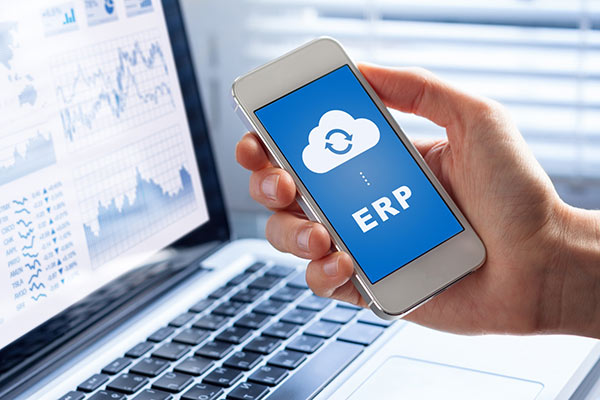
With the increasing use of smartphones and tablets, mobile ERP has emerged as another important trend. Mobile ERP applications allow employees to access critical business information on the go. This enables quicker decision-making and improves overall productivity. For example, a salesperson can access real-time inventory data while meeting with a client, ensuring accurate order placement. Mobile ERP also empowers field service technicians to update service orders and access customer history while at a client’s location, enhancing customer satisfaction.
3. Artificial Intelligence (AI)
Artificial Intelligence has been making waves across various industries, and ERP is no exception. AI-powered ERP systems can automate repetitive tasks, such as data entry, data analysis, and report generation. This frees up employees’ time, allowing them to focus on more strategic activities. AI can also help businesses identify patterns and trends in their data, providing valuable insights for decision-making. For example, an AI-powered ERP system can analyze sales data to identify the most profitable customer segments or predict future demand.
4. Internet of Things (IoT)
The Internet of Things is a network of physical objects embedded with sensors, software, and other technologies to exchange data with other connected devices. In the context of ERP, IoT can provide real-time visibility into various aspects of the supply chain. For example, sensors on manufacturing equipment can collect data on machine performance and send it to the ERP system for analysis. This allows businesses to identify potential maintenance issues before they become costly problems. IoT can also enable automatic inventory management by tracking stock levels and triggering reorders when supplies are running low.
5. Blockchain
Blockchain, most commonly associated with cryptocurrencies, has the potential to revolutionize ERP systems. Blockchain technology offers secure and transparent data storage and sharing. In the context of ERP, blockchain can enhance data integrity and eliminate the need for intermediaries in transactions. For example, blockchain can be used to track the movement of goods in the supply chain, ensuring authenticity and preventing counterfeiting. It can also streamline financial transactions by removing the need for multiple reconciliations and reducing the risk of fraud.
The future of ERP technology looks promising with trends such as cloud-based ERP, mobile ERP, AI, IoT, and blockchain. These trends have the potential to transform how businesses operate, making them more agile, efficient, and competitive in the digital age. By embracing these emerging technologies, businesses can stay ahead of the curve and capitalize on the opportunities they present.


Revolutionize Your Supply Chain Management with ERP Solutions
In today's competitive business landscape, effective supply chain management is crucial for the success of any organization. As companies strive...

The Role of ERP in Data Analysis and Decision Making
Data analysis plays a crucial role in decision making for businesses. It involves examining and interpreting data to uncover meaningful...

Customizing ERP for Industry-Specific Needs
Enterprise Resource Planning (ERP) systems have revolutionized the way businesses operate by integrating various processes and centralizing data management. However,...

ERP Implementation Challenges and Solutions
Implementing an Enterprise Resource Planning (ERP) system can be a complex and challenging process for any organization. While the benefits...