




PTFE Encapsulated O Rings, Low Temperature O Rings and Cartridge Mechanical Seals: A Guide

Sealing technology in chemical processing, pharmaceutical manufacturing, food and beverage production, and precision engineering applications has moved far beyond the standard rubber O-ring that served general-purpose static and dynamic sealing for decades. The combination of increasingly aggressive chemical environments, wider operating temperature ranges, and the regulatory requirements of regulated industries has driven the development of specialist sealing products whose material composition and construction meet requirements that standard elastomers cannot satisfy. PTFE encapsulated O rings, low temperature O rings, and cartridge mechanical seals are three of the most important specialist sealing products in the current industrial sealing landscape.
What are PTFE encapsulated O rings and when are they specified?
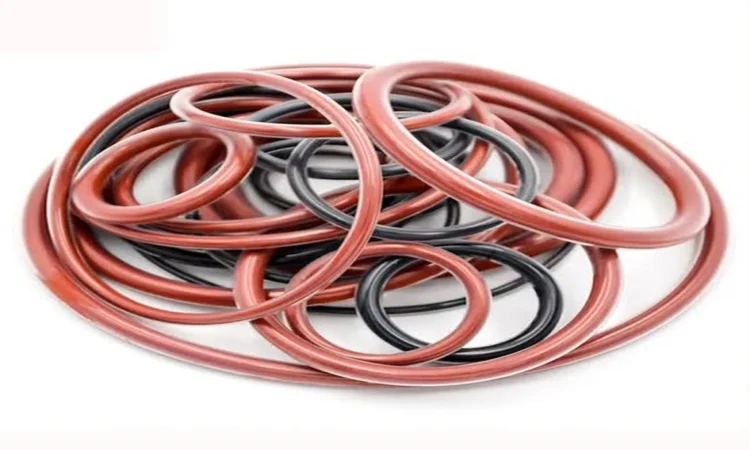
A PTFE encapsulated Viton O ring or PTFE encapsulated FKM O-ring is a composite sealing element that combines the chemical resistance of a solid PTFE (polytetrafluoroethylene) jacket with the elastomeric recovery and compression set resistance of a Viton (FKM) or silicone core. The PTFE jacket provides the primary chemical barrier, while the elastomeric core provides the restoring force that maintains sealing contact under compression and thermal cycling.
PTFE encapsulated O rings are specified where:
- Chemical compatibility is the primary constraint: PTFE is chemically inert to virtually all industrial chemicals including concentrated acids, alkalis, solvents, and oxidising agents that degrade standard elastomers. The PTFE encapsulated O ring provides this inertness in a form that maintains the sealing performance of an O-ring in standard groove profiles
- FDA compliance is required: PTFE is an FDA-approved material for contact with food and pharmaceutical products, and the encapsulated design allows the O-ring to be used in food processing and pharmaceutical equipment where the elastomeric core material’s direct product contact would not be compliant
- Non-stick surface is needed: the PTFE outer surface does not adhere to metal or polymer surfaces, which facilitates installation and removal of the seal without the adhesion that can occur with standard elastomeric O-rings in static sealing applications
- Standard groove dimensions are specified: the encapsulated design fits standard AS568 or metric O-ring grooves without modification to the housing, unlike solid PTFE seals that require different groove profiles
What is the difference between PTFE encapsulated Viton and silicone core variants?
PTFE encapsulated O rings are available with either a Viton (FKM) core or a silicone core, and the selection between the option depends on the application’s temperature range and chemical environment:
- PTFE encapsulated Viton O ring: the Viton core provides excellent recovery and compression set resistance at temperatures from minus 20 degrees Celsius to 200 degrees Celsius, with resistance to the petroleum products, hydraulic fluids, and many industrial chemicals that the PTFE jacket’s chemical resistance would otherwise make academic. The Viton core is preferred for elevated temperature applications and for environments with temperature cycling
- PTFE encapsulated silicone O-ring: the silicone core provides a wider temperature range, from minus 60 degrees Celsius to 230 degrees Celsius, at the cost of lower recovery force and greater compression set susceptibility than the Viton core. The silicone core variant is preferred where the extended low-temperature performance is essential
What are low temperature O rings and what materials are used?
Low temperature O rings are sealing elements formulated or selected specifically for reliable sealing performance at temperatures significantly below the minimum service temperature of standard nitrile or EPDM elastomers. Standard nitrile (NBR) O-rings lose elasticity and become brittle at temperatures below approximately minus 30 degrees Celsius, and standard EPDM below approximately minus 40 degrees Celsius, which limits the use of standard rubber seals in cryogenic, refrigeration, and cold-climate industrial applications.
The elastomers specified for low temperature O rings include:
- Silicone (VMQ): service temperature range of minus 60 to plus 230 degrees Celsius for general low-temperature applications, with limitations on fuel and oil resistance that restrict silicone’s use in petrochemical applications
- Fluorosilicone (FVMQ): combines the low-temperature performance of silicone with improved resistance to fuels, oils, and solvents, at the cost of reduced mechanical strength relative to standard silicone
- FFKM (perfluoroelastomer): the highest-performance elastomeric option for combined extreme chemical resistance and wide temperature range, from approximately minus 20 to plus 325 degrees Celsius, used in the most demanding semiconductor and chemical processing applications where cost justifies the premium
What are cartridge mechanical seals and what advantages do they offer?
Cartridge mechanical seals are pre-assembled, pre-set mechanical seal units that are installed as a complete assembly onto the pump shaft rather than being assembled component-by-component in the field or in the seal cavity during installation. The cartridge design pre-sets the critical axial position of the rotating seal face relative to the stationary seat, which is the most technically demanding step in the installation of a conventional component mechanical seal.
The advantages of cartridge mechanical seals over component seals for industrial pump applications are significant:
- Installation reliability: the correct setting of the spring compression is determined by the manufacturer at the time of assembly, eliminating the field measurement and setting errors that are a major source of early seal failure in component seal installations
- Reduced installation time: a cartridge seal installation requires only the correct placement of the cartridge on the shaft and the tightening of the set screws, typically completed in a fraction of the time required for a component seal installation
- Ease of replacement: cartridge seals can be replaced by maintenance personnel without the detailed mechanical seal knowledge that component seal assembly requires, reducing the skill threshold for pump maintenance in facilities where seal replacement is a regular maintenance task
- Pre-installation testing: the assembled cartridge can be pressure-tested before installation, providing confidence in the integrity of the assembly before the pump is returned to service
Kafvulcan manufactures and supplies PTFE encapsulated O rings, PTFE encapsulated Viton O rings, low temperature O rings, and cartridge mechanical seals for chemical, pharmaceutical, food processing, and industrial applications. Kafvulcan’s sealing products cover the full range of elastomeric and fluoropolymer sealing materials, with the application engineering support and material certification that demanding process industry sealing requirements need.
7 Packing Mistakes That Get Your Package Damaged in Transit: Advice From Newport Beach Mailboxes & More
Most shipping damage starts before a package ever reaches a truck. Carriers move boxes along conveyor belts, stack them in trailers, and sort them through automated hubs, so every parcel has to survive drops, vibration, and weight pressing down from above. At Newport Beach Mailboxes & More, the same few packing errors show up again and again behind broken items and denied claims. Here are the seven worth avoiding, followed by local shipping centers near Newport Beach that can pack items for you.Is it safe to reuse an old shipping...

How to Evaluate Liquidity and Bid-Ask Spreads Before Trading Less-Active Stocks

A stock may appear attractive based on its price, financial performance, or growth potential, but entering or exiting a position...

Complete Guide to Identifying Fake ICA Approval Letters and Consultants

IntroductionApplying for Singapore Permanent Residency is certainly an important achievement for foreigners who have built their careers and lives in...

Reading Index Structure: Advanced Techniques for Trading Major Equity Benchmarks


Major equity indices can appear straightforward on the surface. A benchmark rises when its component stocks collectively strengthen and falls...