






If you already understand the value of custom packaging, you are ahead of most businesses. Packaging shapes how your product feels before it is opened. It affects trust, perceived quality, and whether your brand looks established or rushed. I work with many business owners who reach out after making packaging mistakes that cost time and money. My goal here is to help you avoid those problems by explaining how to think about custom box packaging, what actually matters during the process, and how to choose the right partner for custom box printing in Australia.
Early in the process, many businesses search for options like custom printed boxes Australia because they want packaging that looks professional and fits their product properly. That is the right starting point, but the real decisions come after that search.
Why custom box packaging matters more than people expect
I see packaging treated as a final task far too often. That mindset creates issues. Custom box packaging affects protection, storage, shipping costs, and customer perception. A poorly sized box wastes space and raises freight costs. Weak board stock causes damage during transit. Low quality printing makes a strong product feel cheap.
You should think of your box as part of the product experience. The moment someone receives it, they form an opinion. That opinion sticks.
Custom packaging gives you control over:
- Box size and structure
- Material strength and finish
- Printing quality and colour accuracy
- Visual consistency across products
These elements work together. Missing one causes the whole presentation to feel off.
Understanding the difference between box types
Before ordering, you need clarity on the type of box your product needs. I always recommend starting with function before design.
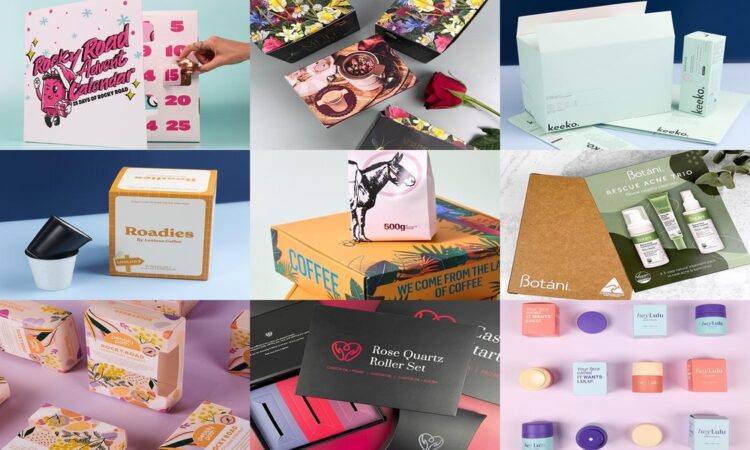
Common box styles include:
- E-commerce mailers for shipping products directly to customers
- Rigid boxes with lids for premium or gift items
- Custom cardboard boxes for storage and transport
- Magnetic flip-top boxes for presentation-focused products
- Tuck-end boxes for retail shelves
- Sleeve drawer boxes for flexible branding
Each structure serves a purpose. Choosing the wrong one creates friction. A luxury product in a basic shipping carton feels mismatched. A fragile product in thin board stock risks damage.
Custom gift boxes and brand perception
Custom gift boxes deserve special attention. These boxes often serve as part of the product itself. Customers keep them, reuse them, or display them. That means design and finish matter.
I advise focusing on:
- Exact sizing to avoid movement inside the box
- Inserts that hold the product securely
- Finishes that match your brand tone
- Print clarity for logos and key details
High-end finishes such as embossing, foil stamping, or UV spot gloss should support the design, not distract from it. A clean and controlled look tends to age better than heavy decoration.
What separates good custom box printing from average work
Printing quality is not only about colour. It includes alignment, consistency, and how the ink interacts with the material. Digital printing works well for detailed designs and shorter runs. Offset printing suits larger runs and precise colour matching.
You should ask about:
- CMYK plus white printing for darker materials
- Pantone matching for brand consistency
- Proofing process before production
- Finish compatibility with your artwork
I always recommend reviewing digital proofs carefully. Small errors at this stage become expensive later.
Why process guidance matters
One of the biggest risks in custom packaging is miscommunication. Many suppliers leave you to manage details on your own. That often leads to mistakes with sizing, artwork setup, or material choice.
The Packaging People stand out because they guide clients from enquiry through delivery. They review requirements, help refine options, manage artwork, provide proofs, and oversee production. This reduces risk and removes guesswork, especially for businesses ordering custom boxes for the first time.
They also offer flexibility across:
- Materials such as matte, gloss, kraft, and foil
- Board weights based on product needs
- Sustainable options including recyclable and compostable packaging
- Inserts including EVA foam or printed cardboard
This range allows packaging to match both the product and the brand without compromise.
Minimum orders and lead times
Custom packaging does not need massive volumes to make sense. Minimum orders starting at 250 units allow smaller businesses to access custom box printing without overcommitting.
Lead times matter and should be planned early. Express options often range from four to six weeks. Standard production usually takes ten to twelve weeks after artwork approval. I always advise building buffer time into your launch schedule.
Design support and long-term consistency
Design quality affects how your packaging ages. The Packaging People offer in-house design support led by a creative director. This helps businesses that lack internal design resources or need refinement.
Reorders are also supported, which matters for brand consistency. Nothing damages trust faster than packaging that changes from one order to the next.
How I recommend choosing a packaging partner
When comparing suppliers, I suggest focusing on these factors:
- Clear guidance through the full process
- Strong printing and finishing capabilities
- Flexible materials and box styles
- Realistic minimums and lead times
- Proofing and sample options
The Packaging People meet these criteria while offering both custom and ready-to-ship packaging across Australia. Their approach supports businesses that care about presentation, protection, and consistency.
If you approach custom box packaging with intention and choose a partner that manages details properly, your packaging becomes an asset instead of a risk. That is how you build confidence in your brand before the box is even opened.


Complete Guide to Identifying Fake ICA Approval Letters and Consultants


IntroductionApplying for Singapore Permanent Residency is certainly an important achievement for foreigners who have built their careers and lives in...

What Nonprofit Boards Should Look For In An Executive Director
A nonprofit organization's performance and direction are largely determined by its leadership. The executive director is usually in charge of...

Reading Index Structure: Advanced Techniques for Trading Major Equity Benchmarks
Major equity indices can appear straightforward on the surface. A benchmark rises when its component stocks collectively strengthen and falls...

Why Integrated Engineering Matters for Modern Industrial Facilities
I work with owners and leaders who manage complex plants. My focus is simple: help you reduce risk, improve uptime,...